

Last week, I had the joy of attending Vercel Ship NYC 2026 at the Glasshouse.
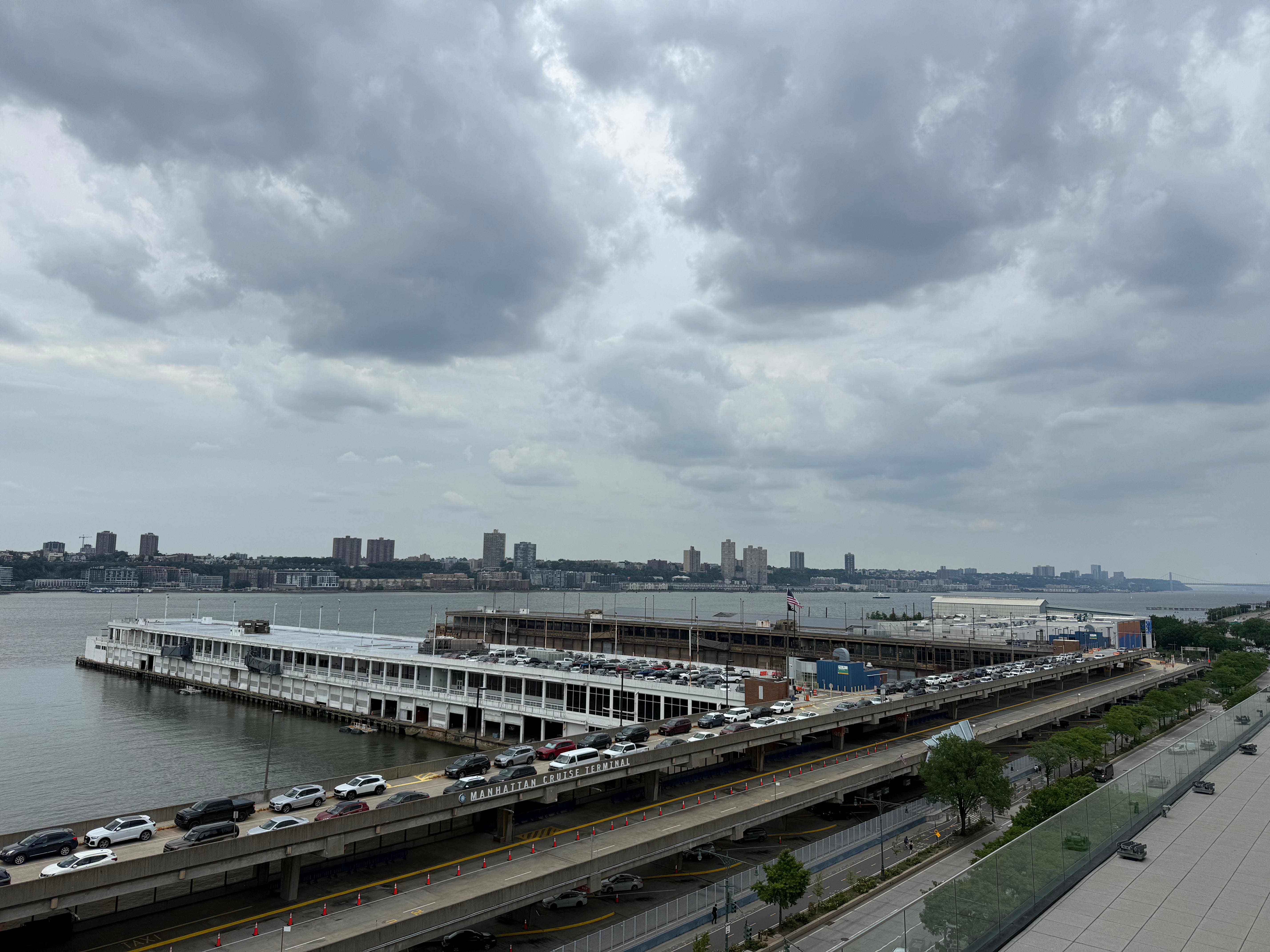
While I’ve attended both Ship and Next.js Conf before, this was my first Vercel event since participating in the most recent AI Accelerator cohort (announcement + recap). Shoutout to Alli and the Vercel team for enabling me to attend, not to mention her amazing MCing of the main stage for the entire event.
One of the most memorable moments for me was the closing fireside conversation between Guillermo Rauch and Ivan Zhao.
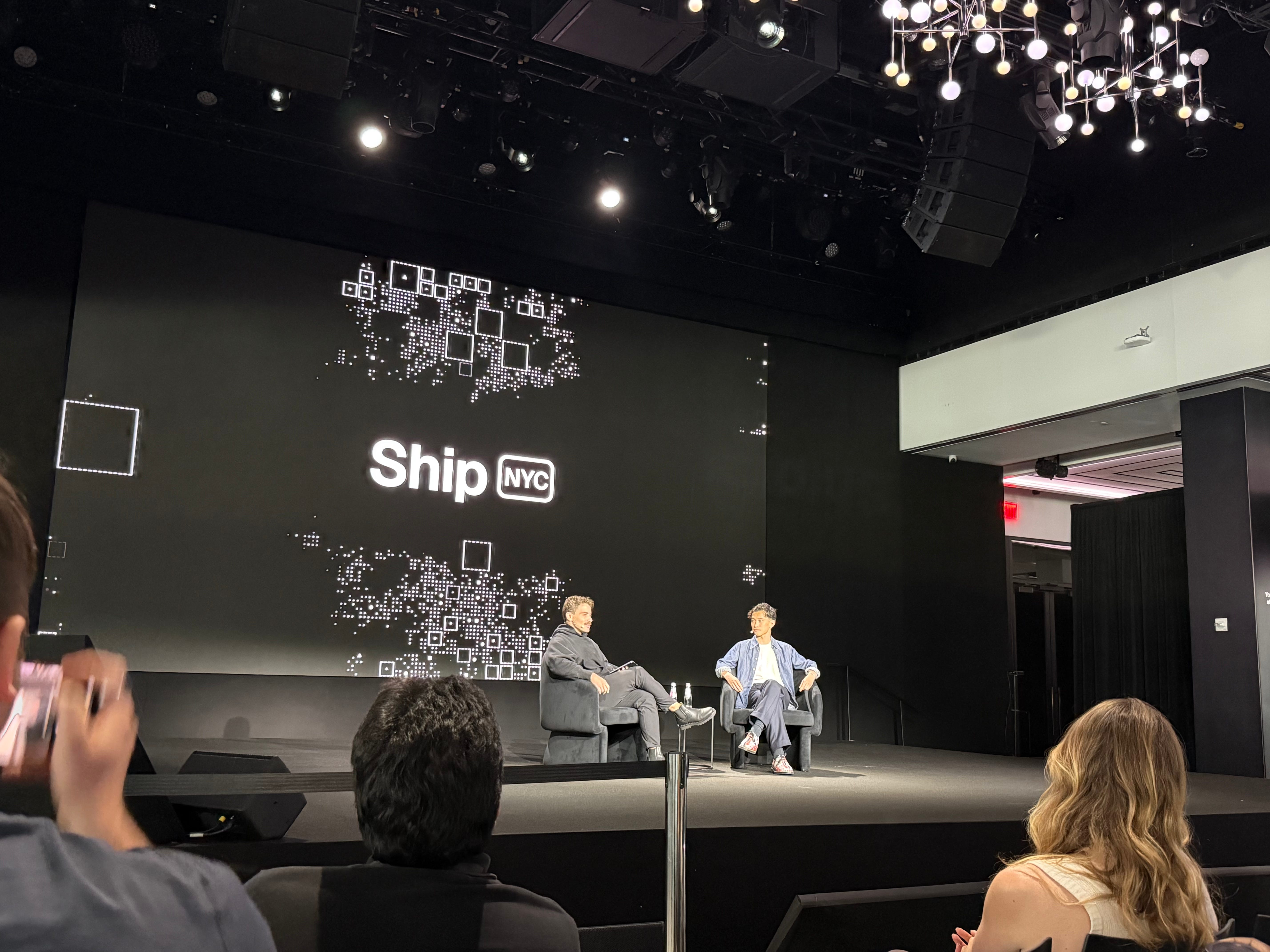
Ivan made a point that has stuck with me ever since: as an industry, software builders often forget or neglect our own history.
He asked the audience whether they’d heard of a couple of early pioneers in computer science, Douglas Engelbart and Alan Kay. Very few hands went up. He joked that it was like asking a room full of physicists whether they’d heard of Einstein. He then went on to mention that Alan Kay pioneered object-oriented programming and graphical user interfaces while Douglas Engelbart designed the mouse and invented a number of interactions that we take for granted today.
Ivan talked about how many ideas from the 1960s still feel remarkably relevant to software development and building quality products today, but that somewhere along the way our industry largely went all in on ideas from the 1980s. This has led us to forget many of the thinkers who came before, despite ideas that are surprisingly relevant today. Ivan’s point of the importance of learning about and understanding our history resonated deeply. Innovation, counterintuitively, perhaps isn’t always about inventing something entirely new but rather rediscovering ideas that were ahead of their time and newly applying them to today’s context.
What struck me most about Ivan was how he seemed to hold two ideas simultaneously. He has a deep appreciation for the history of computing while also having a very clear vision for where he believes software is headed. He also openly talked about getting Claude-pilled and how AI took over not one but two trips to Mexico, one a Notion offsite and the other a family vacation, because he couldn’t stop building. This was funny, but also familiar. AI has a way of pulling you into the creative process because the distance between an idea and a working prototype has become dramatically smaller. And once you start building, it’s hard to stop.
Another part of the conversation that resonated was when both Ivan and Guillermo reflected on coming from non-traditional backgrounds. Ivan spoke about it almost as an advantage, something that shaped how he sees the world and the products he builds. As someone whose own path into founding a technology company has been anything but linear or traditional, I appreciated hearing his perspective.
Outside of the fireside chats, I found myself with a different reaction than I expected.
Some of the conference themes felt familiar. Perhaps that’s just life on the bleeding edge. Ideas take time to spread, and many teams naturally converge on similar problems and concepts.
There were discussions around AI increasing operational risk, the importance of better developer tooling, the dual reality of CIOs fears and CTOs dreams for AI and infrastructure expanding beyond the frontend.
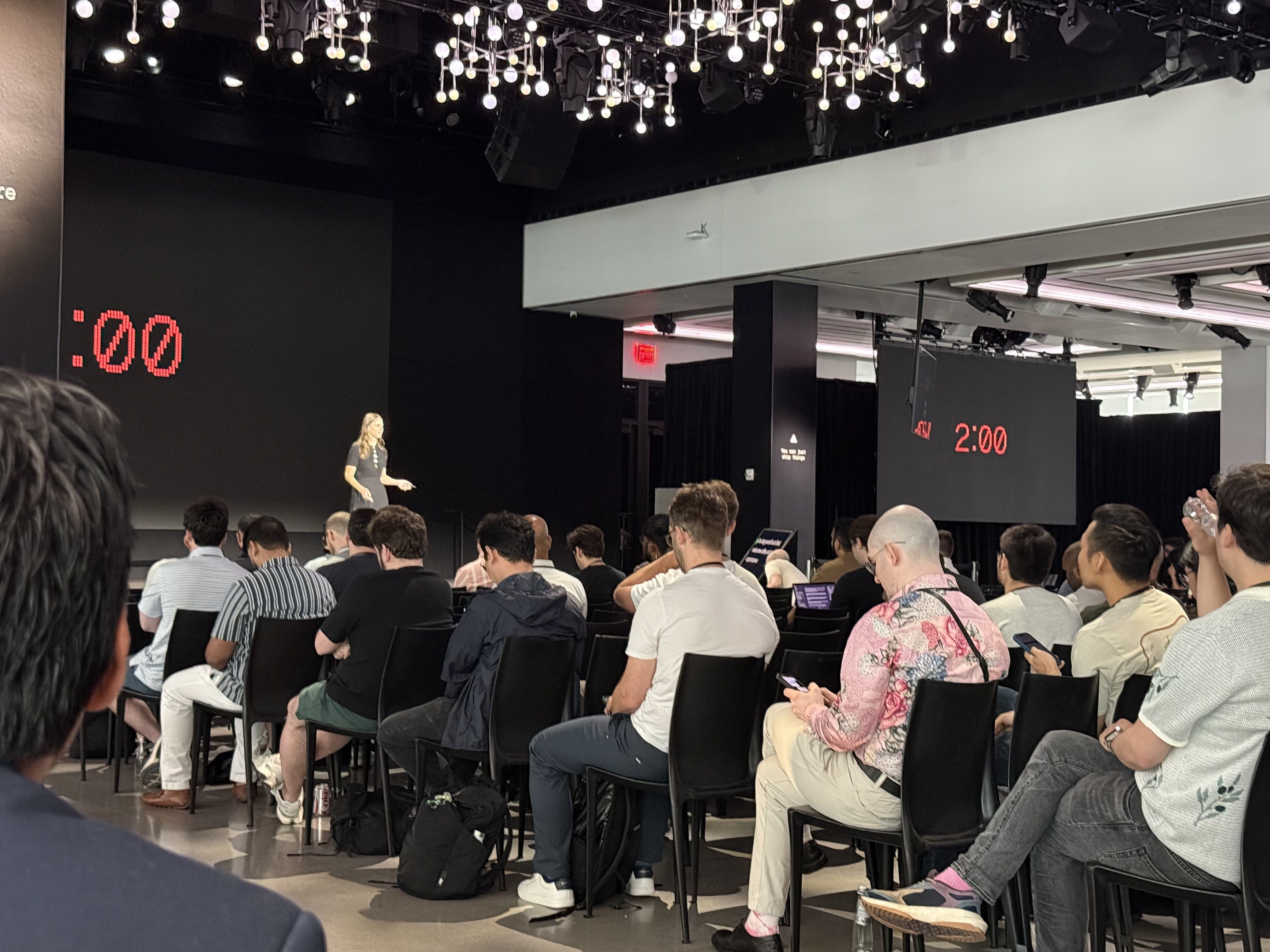
None of those ideas surprised me, but it was encouraging to see that some of the themes and hunches I’ve explored over several years of R&D are now out in the open.
At the same time, there were plenty of moments that sparked inspiration and ideas for me.
Tom Occhino’s conversation with Shopify’s Vanessa Lee was a second highlight.
I loved how she balanced a deep technical background with genuine excitement about a future that looks radically different because of AI. She talked about the strange feeling that skills she’d spent decades developing are becoming less of a prerequisite for building software as we move to a more abstracted, natural language interface. She also celebrated what designers at Shopify had created using AI and how the technology has allowed them to directly explore ideas and create impressive software.
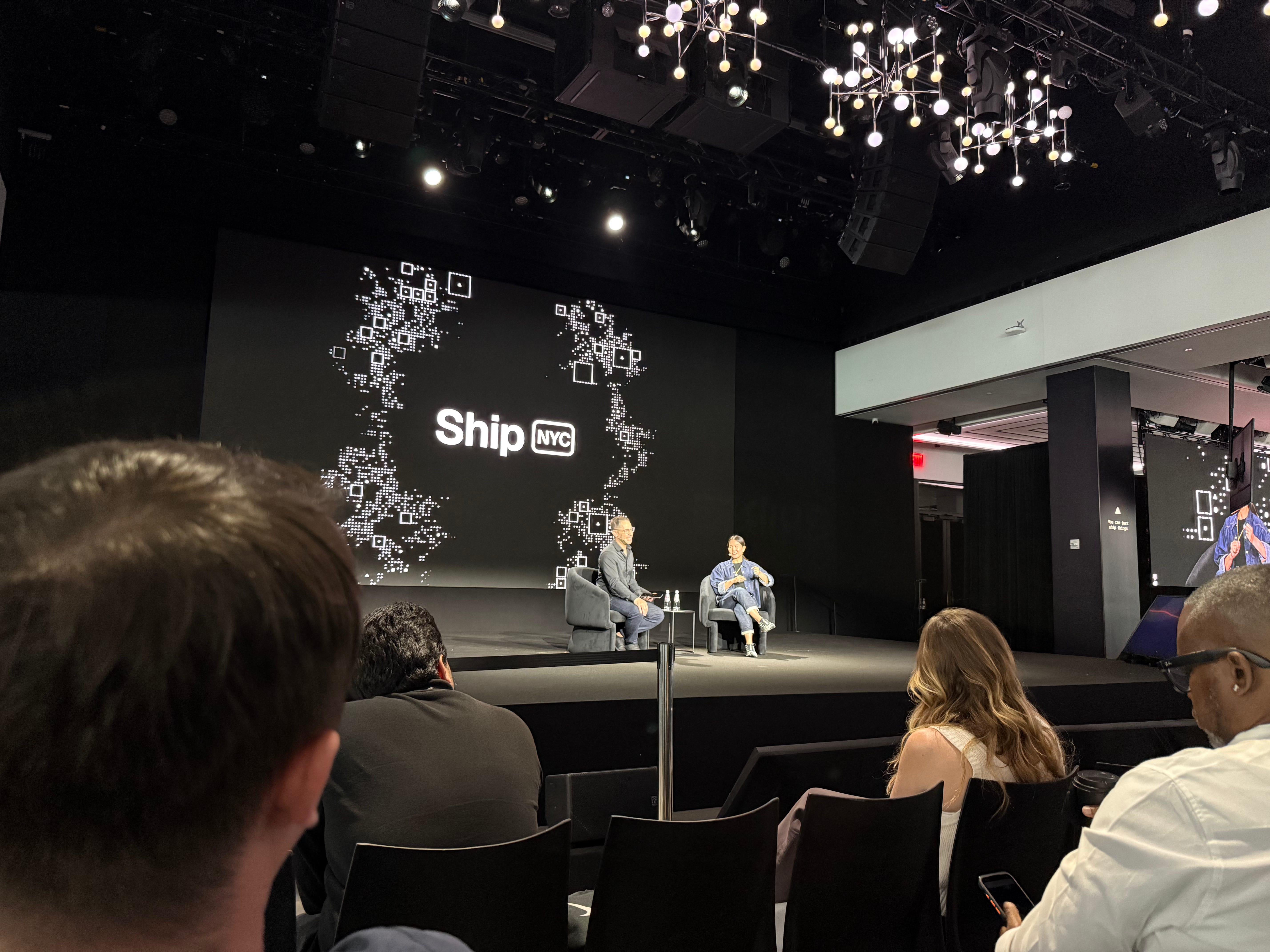
One thing that really excites me is that the notion that AI isn’t just changing how software gets built but also expanding who gets to build it caught on. I think there’s still a large gap between the average technical AI user and the average non-technical AI user, but there’s a desire to make building complex, high-quality software with AI more feasible for more people.
The hallway conversations were also really engaging. Fueled by plenty of Fellini Coffee and New York-themed snacks, nearly everyone I spoke with seemed simultaneously optimistic and overwhelmed.
The excitement was real, but so was the uncertainty. There are more models, more tools, and more opinions than ever before. Everyone is trying to figure out which workflows will stick, which are temporary, and how to avoid rebuilding everything every few months.
One framing that caught my attention was Anthropic positioning itself as the agent layer and Vercel as the execution layer. It’s obviously more nuanced than that, but I appreciated the broader point that you don’t necessarily want an autonomous agent touching every part of every application. Their healthcare example, where sensitive data stays behind well-defined boundaries rather than being directly exposed to an AI model, illustrated that point nicely.
I left Ship with the same feeling I had after the AI Accelerator: that we’re still incredibly early.
The AI-native software stack is evolving at an incredible pace and nobody has all the answers yet. Every team is experimenting. Every builder and technology leader is trying to figure out what the next few years of software development will actually look like.
What encouraged me most wasn’t any single product announcement or demo. It was the people. Nearly every conversation eventually became a variation on “Here’s something I’ve been wanting to build.”
That also reinforced something we’ve been thinking about at CodeYam.
We’re a product company first, but over the past few weeks we’ve started experimenting with working more directly with founders, startups, and teams to help bring ideas to life using the same AI-native workflows we’ve developed for ourselves. Not because we want to become a services company, but because we genuinely enjoy building alongside people who are excited about creating something new. It’s also one of the fastest ways for us to keep learning, refine our own tools, and stay close to the problems people are actually trying to solve.
In a funny way, it felt like the same energy I kept running into throughout Ship. Everyone had an idea they wanted to build. AI has changed what’s possible, but it hasn’t changed the joy of making something that didn’t exist yesterday.
More than any individual announcement, that’s what I’ll remember from the conference.
It’s a pretty remarkable time to be building.
As the conference walls put it, “you can just ship things.”
The hard part isn’t shipping, it’s letting it be rough in public. I shipped my last tool half-broken and the first three users told me exactly what to fix. That was worth more than another week polishing alone. Shipping is just faster learning.